
Introduction
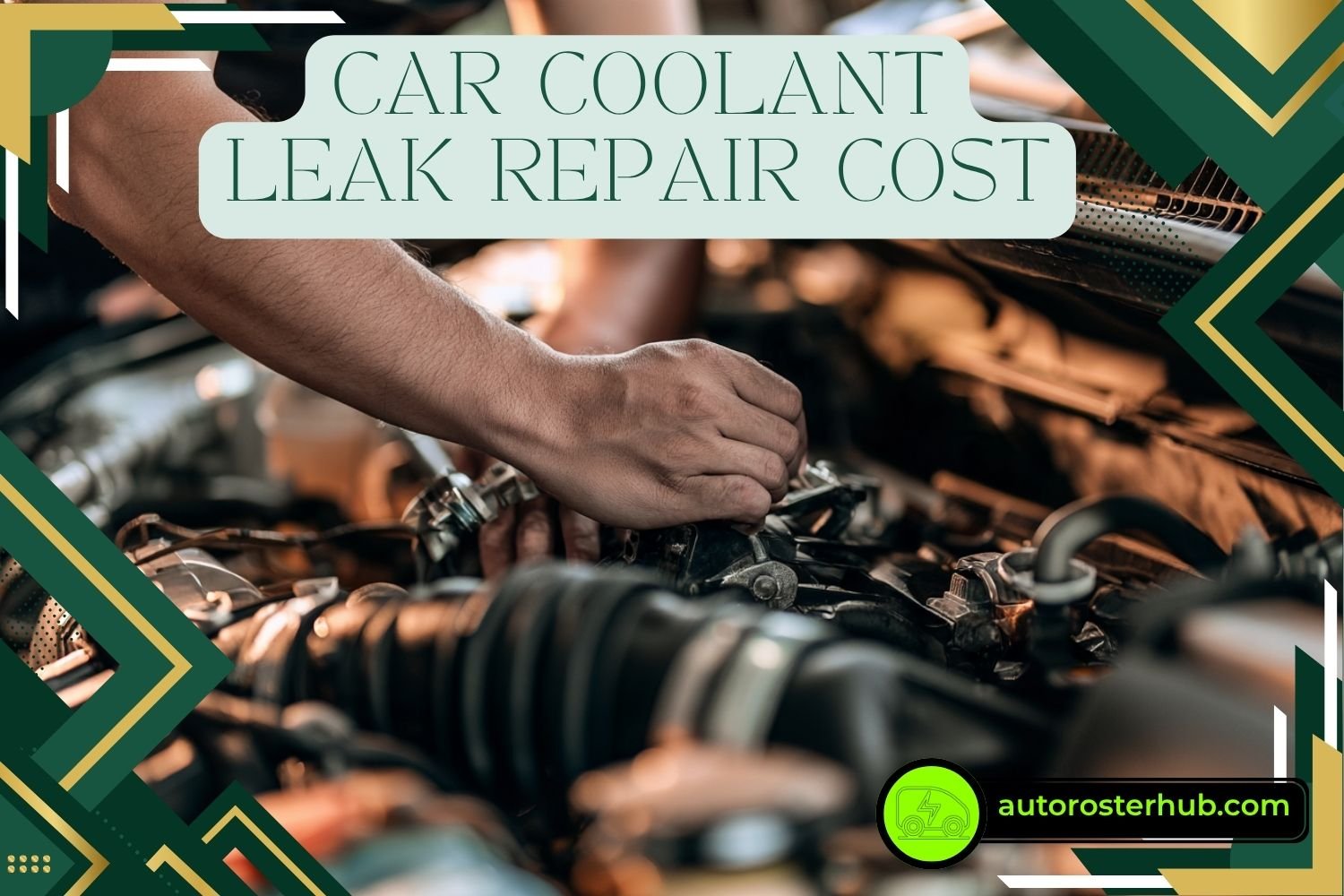
Car coolant leak repair cost is an important consideration for vehicle owners experiencing cooling system problems and unexpected maintenance expenses. Coolant leaks can develop from damaged radiator hoses, worn water pumps, cracked radiators, faulty thermostats, or deteriorated gaskets. Identifying the source of a leak early helps prevent engine overheating, expensive mechanical damage, and unexpected roadside breakdowns. Understanding the factors that influence repair expenses, including replacement parts, labor charges, vehicle models, and leak severity, allows drivers to make informed maintenance decisions. This guide explores common coolant leak causes, estimated repair costs, diagnostic methods, and preventative maintenance practices to help vehicle owners manage cooling system problems effectively while protecting long-term engine performance.
Comprehensive Breakdown of Understanding Core Cooling System Frameworks
Understanding how standard the Car Coolant Leak Repair Cost: Hoses, Radiator & Pricing Guide (2026) requirements involve recognizing benefit categories, component locations, required analytical tools, and safety protocols helps you evaluate your precise vehicle protection and financial planning needs:
Benefit Category: Restoring engine thermal regulation, preventing catastrophic head gasket failure, eliminating antifreeze puddles, and protecting vehicle reliability. Action: Highlights frequent features including rubber radiator hoses, aluminum radiator cores, and water pump assemblies.
Vehicle Component Location Category: Engine compartment front, thermostat housings, lower radiator lines, and coolant recovery reservoirs. Action: Focuses on evaluating coolant loss rates, sweet-smelling vapor traces, and temperature gauge fluctuations.
Tool and Equipment Category: Cooling system pressure testers, UV dye detection kits, coolant drain pans, and torque wrenches. Action: Accounts for professional diagnostic standards, secure hose clamp placement, and system pressure maintenance.
Core Benefit Evaluation: As outlined in expert automotive and brand guidelines, following the Car Coolant Leak Repair Cost: Hoses, Radiator & Pricing Guide (2026) protocols delivers accurate market insights, reliable radiator repairs, and long-term value.
Master Cost and Performance Matrix: U.S. Car Coolant Leak Repair Cost Comparison
To help you benchmark primary benefits, required service tasks, and typical cost ranges when researching car coolant leak repair cost options, the following table outlines average purchase prices across service categories in the United States:
| Coolant Leak Repair Service / Component | Primary Scope & Labor | Average U.S. Cost Range |
| Radiator Hose & Clamp Replacement | Draining coolant, replacing cracked upper/lower rubber hoses, and refilling fluid. | $150 – $350 |
| Thermostat & Gasket Replacement | Replacing stuck thermostat and sealing gasket to stop housing leaks. | $200 – $400 |
| Water Pump Replacement | Replacing failing water pump, timing belt/chain labor if applicable, and fresh coolant. | $450 – $950 |
| Radiator Core Replacement | Unbolting punctured radiator, installing new core, and pressure-testing system. | $500 – $1,100 |
Key Legal and Workspace Safety Elements Affecting Cost Compliance
Handling workshop safety compliance carefully, complying with chemical safety standards, and ensuring proper regulatory practices requires strict adherence to industry guidelines, as navigating the Car Coolant Leak Repair Cost: Hoses, Radiator & Pricing Guide (2026) procedures demands careful attention:
Regulatory Compliance Standards: Environmental protection guidelines for toxic ethylene glycol antifreeze disposal. Action: Protect your health and local waterways by recycling old coolant through approved automotive service centers.
Environmental Waste Disposal Regulations: Proper management of drained chemical fluids and oily shop rags. Action: Ensure chosen disposal methods comply with local environmental waste recycling and disposal regulations.
Professional Shop vs Independent Estimate Standards: Transparent labor rate comparisons across independent shops ($85–$125/hr) and dealerships ($130–$190+/hr). Action: Evaluate repair estimates against independent shop quotes to maximize your savings.
Climate Weather Exposure Adaptation Standards: Ambient temperature control during cooling system pressure checks. Action: Perform repairs on a fully cooled engine to prevent severe steam burns from pressurized hot coolant.
Level Assessment and Workspace Urgency
Before exploring the Car Coolant Leak Repair Cost: Hoses, Radiator & Pricing Guide (2026) operational guidelines, evaluate why proper mechanical tracking and strict adherence to maintenance intervals prevent engine overheating, warped cylinder heads, and costly breakdowns:
Routine Maintenance Tier: Monthly coolant reservoir level checks to monitor for gradual fluid loss.
Intermediate Service Tier (Every 6 Months / 10,000 Miles): Radiator hose visual inspections checking for soft spots or dry-rot cracking.
Annual Milestone Tier (Every 30,000 to 50,000 Miles): Scheduled coolant flushes removing rust scale and replenishing anti-corrosion additives.
Urgent Operational Priority: Spiking temperature gauges or sweet-smelling coolant puddles require immediate pressure testing and repair.
Required Tools and Equipment for Financial Tracking and Maintenance Planning
Whether you are reviewing market pricing or calculating maintenance investment value, having the proper technical knowledge ensures precise execution of the Car Coolant Leak Repair Cost: Hoses, Radiator & Pricing Guide (2026) financial planning tasks:
| Service Provider | Hourly Labor Rate | Estimated Coolant Repair Range |
| Independent Auto Repair Shop | $85 – $125 / hr | $200 – $800 |
| National Automotive Service Franchise | $90 – $135 / hr | $250 – $900 |
| Car Dealership Service Center | $130 – $190+ / hr | $450 – $1,400+ |
| Mobile Mechanic Coolant Service | Flat rate labor fee | $180 – $600 |
Step-by-Step Guide: Professional Execution and Upkeep of Vehicle Systems
Follow these structured steps to ensure your execution of the Car Coolant Leak Repair Cost: Hoses, Radiator & Pricing Guide (2026) guidelines provides a thorough and systematic approach to vehicle financial planning and upkeep:
Diagnostic Pressure Testing
Shops charge an initial diagnostic fee ($100–$150) to attach a pressure tester or UV dye kit to isolate the exact source of antifreeze loss.
Technician Sign: 1. Action: Pinpoints exact leaks without guesswork.
Component Labor and Parts Assessment
Estimators calculate part availability and labor hours, accounting for whether buried components like water pumps or heater cores require extra disassembly.
Technician Sign: 2. Action: Establishes clear part and labor cost expectations.
Coolant Flush and Refill Calculation
Quotes include fresh antifreeze fluid matching factory specifications and proper system air bleeding labor.
Technician Sign: 3. Action: Restores factory fluid protection and prevents air pockets.
Final Invoice Review and Testing
Review itemized parts, labor, and shop warranties upon vehicle pickup after hot idle pressure testing.
Technician Sign: 4. Action: Concludes maintenance workflow ensuring your the Car Coolant Leak Repair Cost: Hoses, Radiator & Pricing Guide (2026) compliance preserves long-term engine reliability.
Regional Considerations and Weather Exposure
Regional geography, diverse climate conditions across North America, and seasonal weather patterns place unique environmental factors on vehicle wear, directly impacting your interpretation and reliance on any the Car Coolant Leak Repair Cost: Hoses, Radiator & Pricing Guide (2026) reference:
Northern Freezing Winters: Inadequate antifreeze concentration causes coolant to freeze, cracking engine blocks and radiators.
Southern Sunbelt Heat: High ambient temperatures place severe thermal stress on rubber hoses and plastic radiator tanks, causing brittle cracking.
Mountainous Driving: Steep inclines push engines to maximum operating temperatures, exposing weak hose clamps and failing seals.
Frequently Asked Questions (FAQs)
- What is the average car coolant leak repair cost?
Professional coolant leak repairs range from $150 to $350 for minor hose replacements, and $400 to $1,200+ for major radiator or water pump overhauls. - What factors influence car coolant leak repair pricing?
Key cost factors include shop labor rates ($85–$190+/hr), part accessibility, whether the radiator or water pump requires replacement, and fluid costs. - Does auto insurance cover coolant leak repairs?
No. Routine wear and tear on cooling system hoses, water pumps, and radiators is considered mechanical maintenance and is not covered by auto insurance. - Are coolant leak price quotes free at auto repair shops?
Most shops charge a diagnostic fee ($100–$150) to perform pressure tests and locate leaks, though some waive it if you approve the repair. - How long does a coolant leak repair service take?
Replacing hoses or thermostats takes 1 to 2.5 hours, whereas replacing a radiator or water pump takes 2 to 6 hours. - Can I drive my car with a coolant leak if I keep adding water?
Driving with a leak risks sudden engine overheating, warped cylinder heads, and blown head gaskets. Always repair leaks promptly. - Do coolant leak repairs come with a shop warranty?
Most reputable service centers and national repair chains offer a 12-month/12,000-mile warranty on cooling system parts and labor. - Why does my car smell like maple syrup near the hood?
A sweet, syrupy smell indicates burning or leaking ethylene glycol antifreeze, which is a classic symptom of a cooling system leak.
Final Takeaway
Using insights on car coolant leak repair cost is essential for budgeting vehicle maintenance and preventing engine damage across all U.S. driving conditions. Finding the right car coolant leak repair cost framework serves as the foundation for protecting your engine and keeping repair expenses transparent. To apply this insight today: What to do now: Monitor fluid levels regularly, inspect your coolant reservoir, and authorize a professional pressure test at the first sign of sweet-smelling puddles. What can wait: Minor dust accumulation on engine covers can wait while you prioritize resolving active antifreeze leaks. When to get professional help: If your temperature gauge spikes into the red or white smoke billows from under the hood, pull over safely and have your vehicle towed to an auto repair shop immediately.