
Introduction
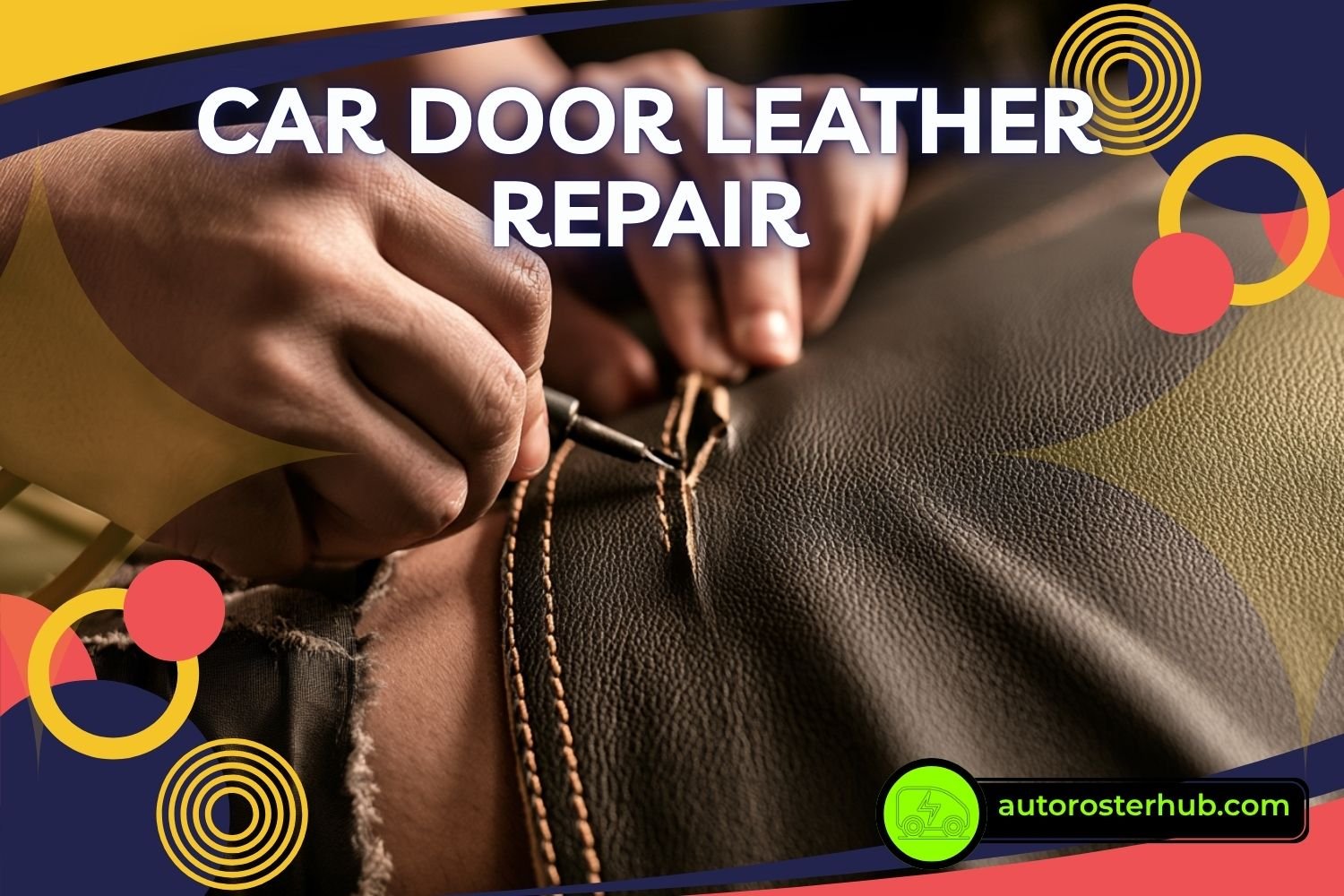
Car door leather repair is an effective way to restore damaged vehicle interiors, improve cabin appearance, and maintain long-term comfort and value. From fixing scratches, cracks, peeling surfaces, and worn leather to restoring faded colors and damaged stitching, proper repair techniques help bring car door panels back to their original condition. However, achieving durable results requires careful consideration of leather quality, damage severity, suitable repair materials, color matching, and installation methods.
Understanding the available repair options and their associated costs also helps vehicle owners make informed decisions between DIY solutions and professional services. Proper cleaning, conditioning, and regular maintenance further prevent premature leather deterioration. By choosing appropriate repair products and following effective restoration practices, car owners can maintain attractive, comfortable, and well-protected vehicle interiors.
Comprehensive Breakdown of Understanding Core Leather Restoration Frameworks
Understanding how standard the Car Door Leather Repair: Restoration, Cost & Guide (2026) requirements involve recognizing benefit categories, component locations, required analytical tools, and safety protocols helps you evaluate your precise vehicle protection and financial planning needs:
Benefit Category: Restoring vehicle interior luxury appearance, eliminating unsightly cracks and scuffs, preventing tear enlargement, and protecting resale value. Action: Highlights frequent features including liquid leather filler, flexible sub-patches, and color-matched pigment dyes.
Vehicle Component Location Category: Door armrests, upper door panel inserts, grab handles, and side trim upholstery. Action: Focuses on evaluating elbow wear zones, UV dehydration areas, and ring or fingernail scratch paths.
Tool and Equipment Category: Isopropyl alcohol prep cleaner, fine-grit sandpaper, grain texturing paper, heat guns, and airbrush dye systems. Action: Accounts for professional interior restoration standards, precise color matching, and protective topcoat sealing.
Core Benefit Evaluation: As outlined in expert automotive and brand guidelines, following the Car Door Leather Repair: Restoration, Cost & Guide (2026) protocols delivers accurate market insights, reliable leather restoration, and long-term value.
Master Cost and Performance Matrix: U.S. Car Door Leather Repair Price Comparison
To help you benchmark primary benefits, required service tasks, and typical cost ranges when researching car door leather repair options, the following table outlines average purchase prices across service categories in the United States:
| Car Door Leather Service | Primary Scope & Procedure | Estimated U.S. Cost Range |
| DIY Leather Repair Kit | Applying liquid leather filler, color dye, and grain paper at home. | $25 – $60 (Kit cost) |
| Localized Crack & Scuff Restoration | Professional cleaning, sanding, filling, and color-matched re-dyeing of the armrest. | $75 – $200 |
| Deep Tear & Sub-Patch Repair | Gluing reinforcement backing sub-patch, filling tear, and texturing grain. | $150 – $350 |
| Complete Door Panel Re-Upholstery | Stripping old damaged leather and stitching new custom leather wrap onto door card. | $300 – $700+ |
Key Legal and Workspace Safety Elements Affecting Cost Compliance
Handling workshop safety compliance carefully, complying with chemical handling regulations, and ensuring proper regulatory practices requires strict adherence to industry guidelines, as navigating the Car Door Leather Repair: Restoration, Cost & Guide (2026) procedures demands careful attention:
Regulatory Compliance Standards: Proper ventilation guidelines when spraying volatile organic compound (VOC) pigment dyes and clear topcoats in enclosed spaces. Action: Ensure chosen repair facilities maintain OSHA-compliant spray booths or well-ventilated mobile work environments.
Environmental Waste Disposal Regulations: Proper disposal of chemical cleaners, isopropyl alcohol wipes, and leftover liquid dye residues. Action: Verify that your restoration specialist adheres to local environmental waste management codes.
Professional Shop vs Independent Estimate Standards: Transparent pricing models across mobile interior restoration technicians ($75–$250) and dedicated upholstery shops ($200–$600). Action: Evaluate repair estimates against independent shop quotes to maximize your savings.
Climate Weather Exposure Adaptation Standards: Ambient temperature control during water-based dye drying and filler curing. Action: Allow technicians to control humidity and temperature during mobile repairs to ensure proper adhesion and topcoat bonding.
Level Assessment and Workspace Urgency
Before exploring the Car Door Leather Repair: Restoration, Cost & Guide (2026) operational guidelines, evaluate why proper mechanical tracking and strict adherence to maintenance intervals prevent lease-return financial penalties, foam deterioration, and unsightly splitting:
Routine Maintenance Tier: Monthly armrest surface inspections detecting early cracking or scuffing before tears widen.
Intermediate Service Tier (Every 3 to 6 Months): Applying quality leather cleaner and conditioner restoring essential natural oils and preventing UV drying.
Annual Milestone Tier (Every 12 Months): Leather restoration warranty checks inspecting professional dye adhesion and topcoat integrity.
Urgent Operational Priority: Deep tears exposing foam core or peeling leather requiring immediate attention to prevent permanent panel damage.
Required Tools and Equipment for Financial Tracking and Maintenance Planning
Whether you are reviewing market pricing or calculating maintenance investment value, having the proper technical knowledge ensures precise execution of the Car Door Leather Repair: Restoration, Cost & Guide (2026) financial planning tasks:
| Service Provider | Service Delivery & Setup | Estimated Leather Repair Range |
| Mobile Interior Restoration Tech | On-site driveway or dealership service. | $75 – $250 |
| Dedicated Auto Upholstery Shop | In-shop panel stripping and re-stitching. | $200 – $600 |
| Car Dealership Detail Department | Outsourced vendor markup rate. | $250 – $700+ |
| DIY Kit (Self-Application) | Consumer-purchased materials and labor. | $25 – $60 |
Step-by-Step Guide: Professional Execution and Upkeep of Vehicle Systems
Follow these structured steps to ensure your execution of the Car Door Leather Repair: Restoration, Cost & Guide (2026) guidelines provides a thorough and systematic approach to vehicle financial planning and upkeep:
Deep Cleaning and Degreasing
Scrub the leather surface with specialized prep cleaner and isopropyl alcohol to remove body oils, wax, and dirt residue.
Technician Sign: 1. Action: Prepares pores for optimal dye and filler adhesion.
Sanding and Crack Leveling
Lightly sand cracked areas to feather rough edges, then apply flexible leather filler compound into crevices and low spots.
Technician Sign: 2. Action: Smooths out surface texture irregularities.
Grain Texturing and Color-Match Dyeing
Press heated grain texturing pads onto the filler to mimic original leather pores, then spray color-matched pigment dye using an airbrush.
Technician Sign: 3. Action: Restores factory color and tactile grain pattern.
Protective Clear Sealing
Apply a clear matte or satin protective topcoat to seal the dye against friction, sweat, and UV fading.
Technician Sign: 4. Action: Concludes maintenance workflow, ensuring your Car Door Leather Repair: Restoration, Cost & Guide (2026) compliance preserves factory finish durability.
Regional Considerations and Weather Exposure
Regional geography, diverse climate conditions across North America, and seasonal weather patterns place unique environmental factors on vehicle wear, directly impacting your interpretation and reliance on the Car Door Leather Repair: Restoration, Cost & Guide (2026) reference:
Southern Sunbelt UV Exposure: Intense solar heat bakes and dehydrates door leather rapidly, requiring frequent conditioning.
Northern Freezing Winters: Sub-zero temperatures make leather stiff and brittle, increasing cracking risks when elbow pressure is applied.
High Humidity Regions: Slows down water-based leather dye and filler drying times during mobile shop applications.
Frequently Asked Questions (FAQs)
- What is car door leather repair?
Car door leather repair involves cleaning, filling cracks, texturing grain, and color-matching dye onto damaged leather door panels and armrests. - How much does professional car door leather repair cost?
Professional leather restoration ranges from $75 to $200 for localized armrest fixes, and $300 to $700+ for complete door panel re-upholstery. - Can cracked leather on a car door be fixed permanently?
Yes. Using flexible fillers, grain texturing, and professional dye systems, technicians can restore cracked leather to look and feel like new. - Are DIY leather repair kits effective for door panels?
DIY kits work well for small scuffs and minor cracks, but professional restoration is recommended for high-wear armrests requiring color-matching. - How long does car door leather repair take?
Localized armrest crack repair takes between 2 and 4 hours, while full panel re-upholstery takes 1 to 2 days. - Will the repaired leather color match my factory interior?
Yes. Professional technicians use digital color matching or factory interior trim codes to mix custom pigment dyes that match your exact interior. - Do professional leather repairs come with a warranty?
Most reputable interior restoration specialists offer a 12-month warranty against dye peeling and filler cracking. - How can I prevent leather door panels from cracking?
Applying quality leather conditioners every few months and using window sunshades protects door panels from UV drying and cracking.
Final Takeaway
Prompt car door leather repair restores your vehicle’s luxury interior appearance and preserves resale value. Finding the right car door leather repair framework serves as the foundation for protecting your vehicle’s interior trim and keeping upholstery expenses transparent. To apply this insight today: What to do now: Condition door leather regularly, address cracks before they tear, and maintain immaculate vehicle interiors on every U.S. roadway. What can wait: Minor surface dust accumulation can wait while you prioritize resolving active armrest cracking and scuffing. When to get professional help: If your vehicle suffers from deep foam exposure, extensive panel splitting, or failed DIY dye jobs costing over $150, consult an established interior restoration specialist or auto upholstery shop immediately.