
Introduction
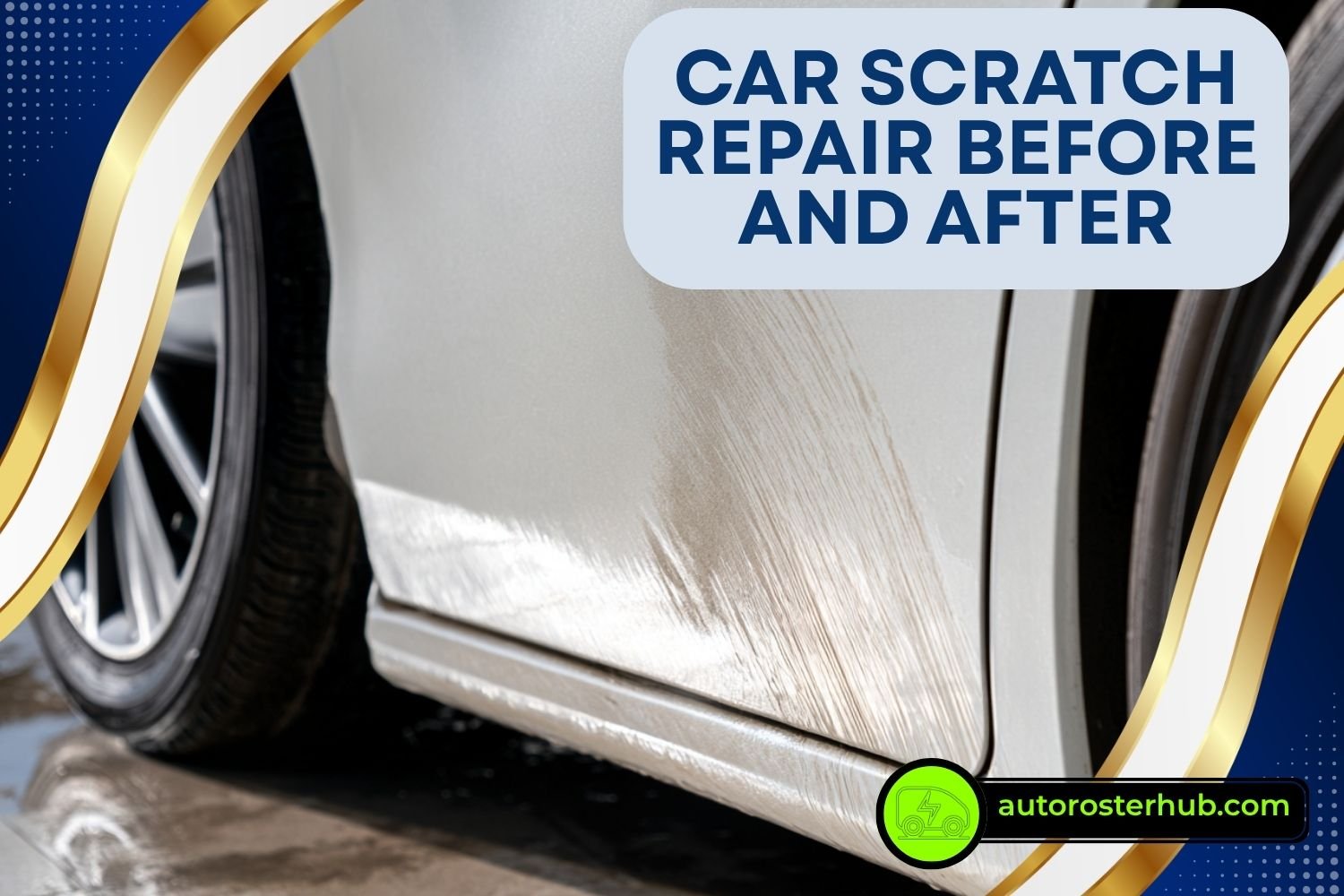
Car scratch repair before and after results demonstrate how proper automotive repair techniques can restore a vehicle’s original appearance and protect its exterior finish. From minor surface scratches and clear coat damage to deeper paint scratches and noticeable scuff marks, effective repair methods help improve a car’s overall condition and visual appeal. Understanding different scratch types, repair products, material quality, and professional treatment options is essential for achieving long-lasting results.
Vehicle owners should also consider repair costs, paint color matching, and the difference between DIY solutions and professional services before choosing a suitable approach. By following proper repair procedures and maintenance practices, motorists can restore damaged paintwork, prevent further deterioration, and maintain their vehicle’s appearance and resale value.
Comprehensive Breakdown of Understanding Core Scratch Repair Frameworks
Understanding how standard the Car Scratch Repair Before and After: Results & Cost Breakdown (2026) requirements involve recognizing benefit categories, component locations, required analytical tools, and safety protocols helps you evaluate your precise vehicle protection and financial planning needs:
Benefit Category: Transforming marred exterior finishes into mirror-finish surfaces, erasing surface scuffs, and preserving vehicle resale value. Action: Highlights frequent features including dual-action polishers, micro-abrasive rubbing compounds, touch-up paint kits, and professional body shop spot painting.
Vehicle Component Location Category: Door panels, hoods, fenders, bumper covers, and side body panels. Action: Focuses on evaluating clear coat scuffs, base coat lines, deep substrate trenches exposing bare metal, and oxidized rust edges.
Tool and Equipment Category: Dual-action orbital polishers, micro-abrasive compounds, 3000-grit wet sandpaper, isopropyl alcohol prep spray, and OEM touch-up kits. Action: Accounts for professional auto detailing standards, paint thickness meter checks, and surface leveling.
Core Benefit Evaluation: As outlined in expert automotive and brand guidelines, following the Car Scratch Repair Before and After: Results & Cost Breakdown (2026) protocols delivers accurate market insights, reliable vehicle restoration, and long-term value.
Master Cost and Performance Matrix: U.S. Car Scratch Repair Comparison
To help you benchmark primary benefits, required service tasks, and typical cost ranges when researching car scratch repair before and after options, the following table outlines average purchase prices and transformation results across service categories in the United States:
| Tool / Material / Service | Purpose & Procedure | Estimated U.S. Price / Cost | Typical Transformation Result |
| Dual-Action Orbital Polisher | Buffs out clear coat swirls and compounding haze | $50 – $120 | Restores gloss to hazy surfaces |
| Micro-Abrasive Rubbing Compound | Levels clear coat around scratches to erase lines | $12 – $25 | Erases 80-90% of surface scuffs |
| OEM Touch-Up Paint & Clear Kit | Fills base coat gaps and seals deep substrate wounds | $25 – $45 | Camouflages deep bare metal scratches |
| Independent Body Shop Spot Paint | Seamless factory color blend performed by professional technicians | $200 – $500 | Seamless factory color blend |
| Dealership Full Panel Respray | Complete panel sanding, priming, and painting for severe damage | $600 – $1,500+ | Flawless showroom finish |
Key Legal and Workspace Safety Elements Affecting Cost Compliance
Handling personal safety compliance carefully, complying with chemical handling regulations, and ensuring proper regulatory practices requires strict adherence to industry guidelines, as navigating the Car Scratch Repair Before and After: Results & Cost Breakdown (2026) procedures demands careful attention:
Regulatory Compliance Standards: Work outdoors or in well-ventilated spaces to disperse chemical solvent fumes and compound dust. Action: Wear safety glasses and nitrile gloves during chemical compounding and painting.
Environmental Waste Disposal Regulations: Proper disposal of chemical polish rags, prep solvents, and sanding dust. Action: Follow local environmental safety rules when disposing of detailing waste materials.
Professional Shop vs Independent Estimate Standards: Transparent pricing models across DIY detail kits ($30–$70) and independent body shop spot painting ($200–$500). Action: Compare independent shop quotes against DIY kit expenses to maximize your savings.
Climate Weather Exposure Adaptation Standards: Protecting repaired panels against regional environmental stressors. Action: Apply high-grade carnauba wax or synthetic paint sealant every 3 to 6 months to protect repaired clear coats.
Level Assessment and Workspace Urgency
Before exploring the Car Scratch Repair Before and After: Results & Cost Breakdown (2026) operational guidelines, evaluate why proper exterior tracking and strict adherence to repair intervals prevent rust formation, clear coat failure, and severe financial losses:
Routine Maintenance Tier: Inspecting your vehicle body monthly for new surface scuffs and clearing away abrasive dirt buildup.
Intermediate Service Tier (Service Soon): Buffing out clear coat scratches or using DIY touch-up paint kits for base coat lines.
Annual Milestone Tier (Urgent Professional Service): Booking independent body shop spot paint services for deep substrate scratches exposing bare steel.
Urgent Operational Priority: Leaving scratches unaddressed leads to progressive oxidation and rust creep, making prompt restoration vital for asset protection.
Required Tools and Equipment for Financial Tracking and Maintenance Planning
Whether you are reviewing market pricing or calculating maintenance investment value, having the proper technical knowledge ensures precise execution of the Car Scratch Repair Before and After: Results & Cost Breakdown (2026) financial planning tasks:
| Repair Approach | Estimated U.S. Cost | Typical Transformation Result |
| DIY Detail Kit & Compound | $30 – $70 | Erases 80-90% of surface scuffs |
| Independent Body Shop Spot Paint | $200 – $500 | Seamless factory color blend |
| Dealership Full Panel Respray | $600 – $1,500+ | Flawless showroom finish |
Step-by-Step Guide: Professional Execution and Upkeep of Vehicle Systems
Follow these structured steps to ensure your execution of the Car Scratch Repair Before and After: Results & Cost Breakdown (2026) guidelines provides a thorough and systematic approach to vehicle financial planning and upkeep:
Inspection & Cleaning
Wash and dry the vehicle thoroughly, then inspect the scratch with your fingernail to determine its depth.
Technician Sign: 1. Action: Prepares exterior surfaces for accurate damage evaluation.
Compounding & Buffing
For clear coat scuffs, apply rubbing compound with an orbital polisher using moderate pressure across the scratch line.
Technician Sign: 2. Action: Levels surrounding clear coat to erase surface lines.
Touch-Up Application
For deep scratches, clean bare metal, apply rust primer, and carefully dab factory base coat into the trench.
Technician Sign: 3. Action: Fills base coat gaps and seals deep substrate wounds.
Wet Sanding & Final Polish
Wet sand lightly with 3000-grit sandpaper until flush, then final polish to achieve a mirror-shine reflection.
Technician Sign: 4. Action: Concludes maintenance workflow, ensuring the Car Scratch Repair Before and After: Results & Cost Breakdown (2026) compliance restores a flawless finish.
Regional Considerations and Weather Exposure
Regional geography, diverse climate conditions across North America, and seasonal weather patterns place unique environmental factors on vehicle wear, directly impacting your interpretation and reliance on any Car Scratch Repair Before and After: Results & Cost Breakdown (2026) reference:
Rust Belt (Midwest & Northeast): Winter road salts and moisture demand high-grade sealants on repaired areas to prevent recurring corrosion.
Southwest Sun & Heat: Intense UV radiation breaks down clear coats quickly, requiring UV-blocking ceramic coatings or wax after repair.
Coastal Regions: Salt mist in coastal environments accelerates oxidation on any exposed metallic edges.
Frequently Asked Questions
- Can all car scratches be completely removed?
Surface clear-coat scratches can be 90-100% removed via compounding and polishing; deep scratches down to bare metal can be significantly improved and sealed, though minor texture differences may remain without a full panel respray. - How can I tell if a scratch is too deep for DIY repair?
If your fingernail catches deeply in the groove and you see shiny metal or grey primer plastic underneath, it requires touch-up paint or professional filling rather than simple buffing. - Does insurance cover car scratch repair before and after?
Comprehensive insurance covers vandalism and parking lot hit-and-runs, but deductibles ($500–$1,000) typically exceed the cost of minor scratch repairs. - How long does a professional scratch repair take?
Spot painting and blending at an independent body shop usually takes 1 business day, whereas full panel resprays take 2 to 3 days. - Will toothpaste actually fix car scratches?
Toothpaste acts as a mild abrasive and can temporarily mask very light clear-coat scuffs, but it does not provide permanent protection or repair deep paint damage. - How do I find my car’s exact factory paint code?
Check the manufacturing placard on the driver-side door jamb, glove box, or engine bay, or provide your VIN to a local dealership parts department. - How much value does a scratch detract from a car’s resale price?
Visible scratches and paint blemishes can reduce trade-in or private party resale value by $300 to $1,000 depending on the vehicle’s market value. - Are mobile scratch repair services as good as shop repairs?
Mobile technicians equipped with professional spray equipment and color-matching technology achieve excellent before-and-after results right at your home or office.
Final Takeaway
Reviewing car scratch repair before and after examples proves that even frustrating blemishes can be transformed into mirror-finish surfaces. Finding the right car scratch repair before-and-after framework serves as the foundation for protecting your vehicle’s exterior appearance and keeping detailing expenses transparent. To apply this insight today: What to do now: Inspect your vehicle’s scratch depth, purchase a $50 dual-action polisher and compound kit, and test surface compounding in a shaded driveway. What can wait: Minor clear-coat hazing that disappears when wet can wait until your next scheduled weekend wash detailing session. When to get professional help: If deep substrate scratches expose bare metal or run across advanced driver-assistance system sensors, consult an independent U.S. auto body shop or mobile scratch repair specialist immediately.