
Introduction
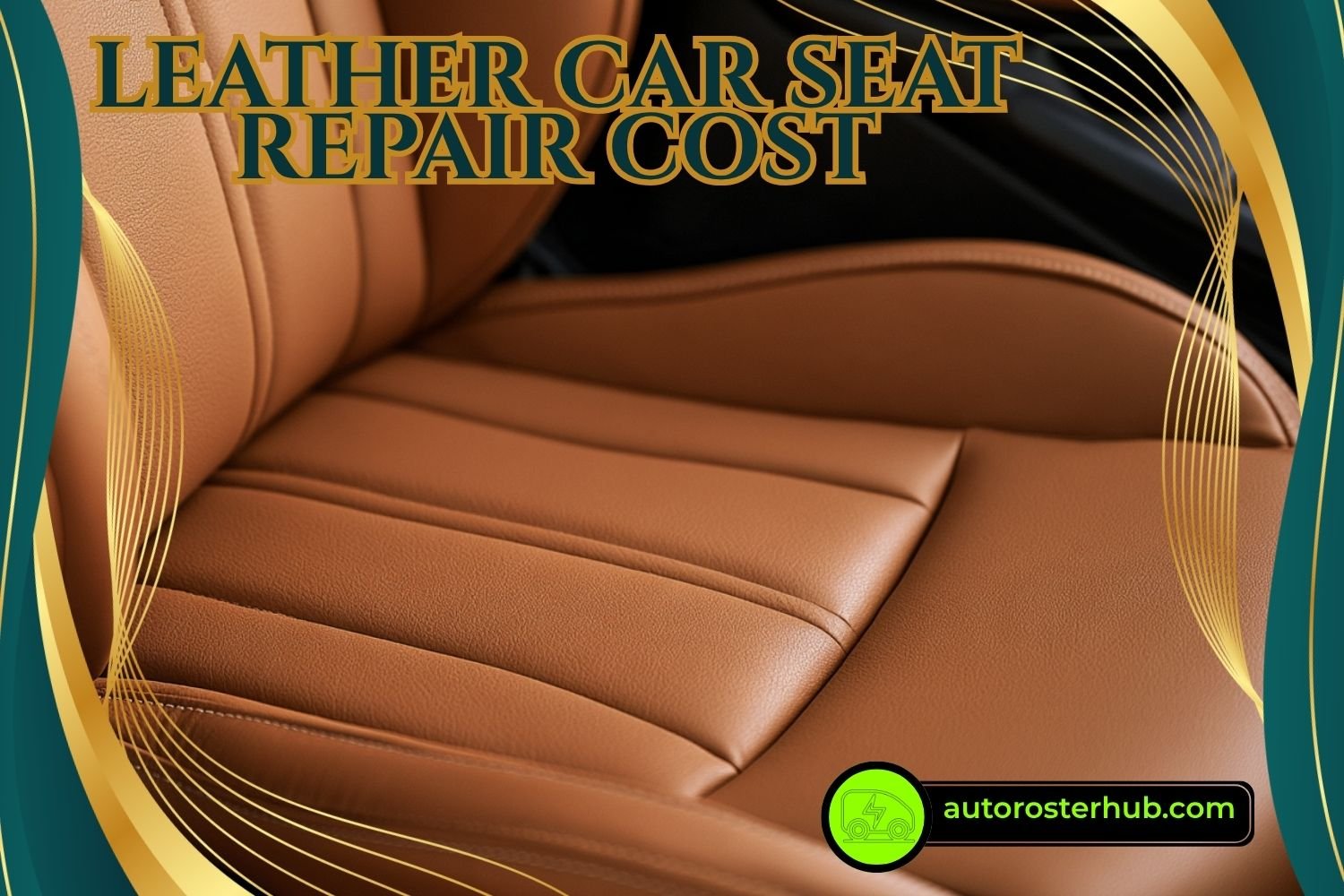
Leather car seat repair cost is an important consideration for vehicle owners looking to restore damaged, cracked, scratched, or worn leather interiors without replacing entire seats. The overall expense depends on several factors, including the severity of the damage, leather quality, repair method, vehicle model, and professional labor charges. From minor scratches and surface cracks to deep tears, faded leather, and extensive upholstery damage, different repair solutions offer varying levels of durability and affordability.
Understanding typical repair prices, material options, DIY solutions, and professional upholstery services helps car owners make informed decisions. By comparing available repair methods and evaluating long-term value, vehicle owners can restore their car interiors, maintain comfort, and preserve their vehicle’s appearance and resale value.
Comprehensive Breakdown of Understanding Core Leather Repair Estimation Frameworks
Understanding how standard the Leather Car Seat Repair Cost: Complete U.S. Price Guide requirements are involves recognizing benefit categories, component locations, required analytical tools, and safety protocols, which helps you evaluate your precise vehicle protection and financial planning needs:
Benefit Category: Estimating auto upholstery shop quote evaluations, comparing DIY kit prices and professional specialist rates, and managing interior restoration affordably across U.S. service options. Action: Highlights frequent features including liquid leather fillers, color-matching dyes, commercial sewing machines, and OEM replacement hides.
Vehicle Component Location Category: Driver seat side bolsters, seat bottom cushions, backrest seams, and high-friction passenger contact areas. Action: Focuses on evaluating surface cracking, split stitching seams, cigarette burns, and disintegrating foam padding.
Tool and Equipment Category: DIY repair kits, commercial sewing machines, color-mixing dye kits, hog ring pliers, and replacement foam padding. Action: Accounts for patching tears, sewing split seams, rebuilding collapsed foam bolsters, and redyeing worn surfaces.
Core Benefit Evaluation: As outlined in expert U.S. automotive guidelines, following the Leather Car Seat Repair Cost: Complete U.S. Price Guide protocols delivers accurate market insights, reliable technician evaluations, and long-term vehicle interior protection dependability.
Master Cost and Performance Matrix: U.S. Leather Car Seat Repair Comparison
To help you benchmark primary benefits, required service tasks, and typical cost ranges when researching leather car seat repair cost options, the following table outlines average repair expenses, parts costs, and shop pricing across the United States:
| Repair Method / Service | Estimated U.S. Cost Range | Typical Turnaround Time | Description & Labor Details |
| DIY Leather Repair & Color Match Kit | $25 – $50 | 2 to 3 hours | Home kit using liquid filler, backing cloth, and color dye to fix small cracks or burns |
| Professional Spot Repair (Crack/Tear/Bolster) | $150 – $350 per seat | 1 day | Local upholstery specialist patching tears, fixing split seams, and redyeing bolsters |
| Single Leather Panel Replacement | $350 – $700 | 1 to 2 days | Unstitching damaged leather sections and sewing in a fresh matching leather panel |
| Full Front Bucket Seats Reupholstery (OEM) | $600 – $1,500+ | 2 to 3 days | Complete professional reupholstering of front bucket seats using OEM-grade leather |
| Seat Foam Cushion Rebuilding / Replacement | $150 – $400 | 1 day | Replacing or reinforcing sagging, crushed interior foam padding under leather covers |
Key Legal and Workspace Safety Elements Affecting Cost Compliance
Handling personal safety compliance carefully, complying with consumer protection standards, and ensuring proper regulatory practices requires strict adherence to industry guidelines, as navigating the Leather Car Seat Repair Cost: Complete U.S. Price Guide procedures demands careful attention:
Regulatory Compliance Standards: Standard auto insurance policies classify interior leather wear-and-tear, cracking, and pet damage as normal vehicle maintenance, which is excluded from coverage. Action: Review policy coverage limits and understand that interior leather upholstery restoration is an out-of-pocket maintenance expense.
Environmental Waste Disposal Regulations: Proper disposal of chemical dyes, adhesives, solvents, and discarded upholstery materials. Action: Verify that professional repair shops adhere strictly to local environmental and waste disposal regulations.
Professional Shop vs Independent Estimate Standards: Transparent pricing models across mobile interior specialists and traditional brick-and-mortar auto upholstery shops. Action: Compare mobile spot repair quotes against full upholstery shop panel replacement estimates to maximize your budgetary efficiency.
Climate Weather Exposure Adaptation Standards: Protecting vehicle leather against intense UV solar radiation and extreme cabin temperatures across Sunbelt states. Action: Verify that UV-blocking window tints, sunshades, and regular leather conditioners are utilized to prevent drying and cracking.
Level Assessment and Workspace Urgency
Before exploring the Leather Car Seat Repair Cost: Complete U.S. Price Guide operational guidelines, evaluate why proper damage tracking and strict adherence to safety thresholds prevent severe vehicle interior risks:
Routine Maintenance / Monitor Tier: Light surface cracking or minor dryness on seat bolsters. Safe to treat with a DIY conditioning kit before deterioration begins. ($25–$50)
Intermediate Service Tier (Service Soon): Small cigarette burns, surface scratches, or minor spot wear on leather surfaces. Repair promptly using a DIY kit or mobile specialist. ($25–$350)
Annual Milestone Tier (Urgent Repair): Professional upholstery shop spot repair fixing torn seams or worn-out bolsters on front seats. ($150–$350 per seat)
Urgent Operational Priority: Severe splits across entire leather panels, deep tears, or collapsed internal foam cushions requiring complete panel replacement or foam rebuilding. ($350–$1,500+)
Required Tools and Information When Visiting a New Shop
Whether you are reviewing market pricing or calculating repair investment value, having the proper technical knowledge ensures precise execution of the Leather Car Seat Repair Cost: Complete U.S. Price Guide financial planning tasks:
| Tool / Material | Purpose | Estimated U.S. Price |
| Liquid Leather Repair Compound & Filler | Filling cracks, gouges, and cigarette burn craters in damaged car leather | $15 – $30 |
| Custom Color-Matched Leather Dye Kit | Matching factory seat pigmentation and spraying or dabbing over repaired areas | $20 – $40 |
| Upholstery Curved Needles & Heavy Nylon Thread | Hand-sewing split seams and torn leather edges securely | $10 – $20 |
| High-Density Replacement Seat Foam | Rebuilding collapsed side bolsters and crushed seat bottom cushions | $40 – $90 |
| Leather Cleaner & Deep Conditioning Balm | Restoring moisture and protecting repaired leather from future cracking | $15 – $30 |
Step-by-Step Guide: Professional Execution and Upkeep of Vehicle Systems
Follow these structured steps to ensure your execution of the Leather Car Seat Repair Cost: Complete U.S. Price Guide guidelines provides a thorough and systematic approach to vehicle safety and financial planning:
Cleaning and Preparing the Damaged Leather Surface
Clean the damaged seat area thoroughly using a specialized leather cleaner to remove body oils, dirt, and debris, then wipe down with rubbing alcohol.
Technician Sign: 1. Action: Ensures maximum adhesion for repair compounds, patches, and color dyes.
Backing and Filling Tears or Cracks
Insert a mesh fabric backing patch behind deep tears using flexible leather adhesive, then apply thin layers of liquid leather filler over cracks and sand smooth.
Technician Sign: 2. Action: Restores structural integrity and creates an even surface matching the surrounding grain.
Applying Custom Color-Matched Dye
Dab or spray custom-mixed factory color dye over the repaired filler area using a sponge or airbrush, blending seamlessly into the existing leather.
Technician Sign: 3. Action: Conceals blemishes and restores uniform color pigmentation across the car seat.
Conditioning and Protecting Repaired Upholstery
Allow the dye to cure completely, then apply a nourishing leather conditioner and UV-blocking balm across all seats.
Technician Sign: 4. Action: Concludes maintenance workflow, ensuring your Leather Car Seat Repair Cost: Complete U.S. Price Guide compliance locks in moisture, softens the leather, and prevents future cracking for months to come.
Regional Considerations and Weather Exposure
Regional geography, diverse climate conditions across North America, and seasonal weather patterns place unique environmental factors on vehicle wear, directly impacting your interpretation and reliance on any the Leather Car Seat Repair Cost: Complete U.S. Price Guide reference:
Sunbelt States: Intense solar heat across Arizona, Texas, Florida, and Southern California bakes vehicle interiors, rapidly drying out natural leather oils and causing severe cracking on driver seat bolsters.
Northern States: Freezing winter temperatures stiffen vehicle leather, making untreated leather prone to sudden splitting when occupants slide across cold seat bolsters.
Mobile Upholstery Services: Vehicle owners in major U.S. metropolitan areas benefit from mobile interior restoration specialists who travel directly to homes and offices to complete spot repairs on-site.
Frequently Asked Questions
- Is it cheaper to repair a leather car seat or replace it?
Yes. Repairing a torn panel or bolster typically costs $150 to $350, whereas buying a brand-new OEM seat assembly from a dealership can easily exceed $1,500 to $3,000. - Why do upholstery shops charge so much for leather seat repair?
Shops charge for skilled manual labor, commercial sewing machines, precise color-mixing dyes, and the intricate process of removing and reinstalling heavy power seats. - Can a mobile leather repair technician fix my car seats at home?
Yes. Many mobile interior restoration specialists travel directly to your home or office to repair minor cracks, cigarette burns, and bolsters on-site. - Does car insurance cover ripped or cracked leather seats?
No. Standard auto insurance policies classify interior leather wear-and-tear, cracking, and pet damage as normal vehicle maintenance, which is excluded from coverage. - How can I prevent my car leather seats from cracking?
Regularly clean and condition your leather every 3 to 6 months, park in shaded areas or use window sunshades, and apply UV-blocking protective balms. - What happens if I ignore a split seam on my leather car seat?
Ignoring a small split seam allows the foam cushion underneath to rub against metal seat frames and disintegrate, doubling repair bills. - Why should I avoid using household super glue on car leather?
Slapdash fixes using super glue or duct tape ruin leather grain and prevent professional upholstery shops from making clean repairs later. - Why is regular leather conditioning mandatory after a repair?
Failing to condition repaired leather causes surrounding areas to dry out and crack, leading to recurring damage.
Final Takeaway
Leather car seat repair costs range from a modest $30 DIY kit to $1,000+ for full luxury reupholstery. Finding the right leather car seat repair cost framework serves as the foundation for protecting your vehicle’s interior appearance and ensuring transparent repair budgeting. To apply this insight today: What to do now: Clean and condition your leather seats, evaluate whether a $30 DIY kit can fix minor cracks, or call a mobile upholstery specialist for bolster repairs. What can wait: Normal surface wear without tears or broken seams can be maintained during routine interior detailing visits. When to get professional help: Deep panel tears, collapsed foam cushions, or split stitching across powered airbags require professional upholstery shop intervention.